Reduce Your Energy Costs
Stay Compliant
How We Help You Succeed

EPC’s

DECs
ESOS

MEES

TM44

Section 63
An Energy Performance Certificate (EPC) shows how energy-efficient your building is and is a legal requirement when selling, leasing, or constructing commercial property. Choosing us means you receive clear, accurate EPCs from accredited assessors, helping you to stay fully compliant with UK regulations.
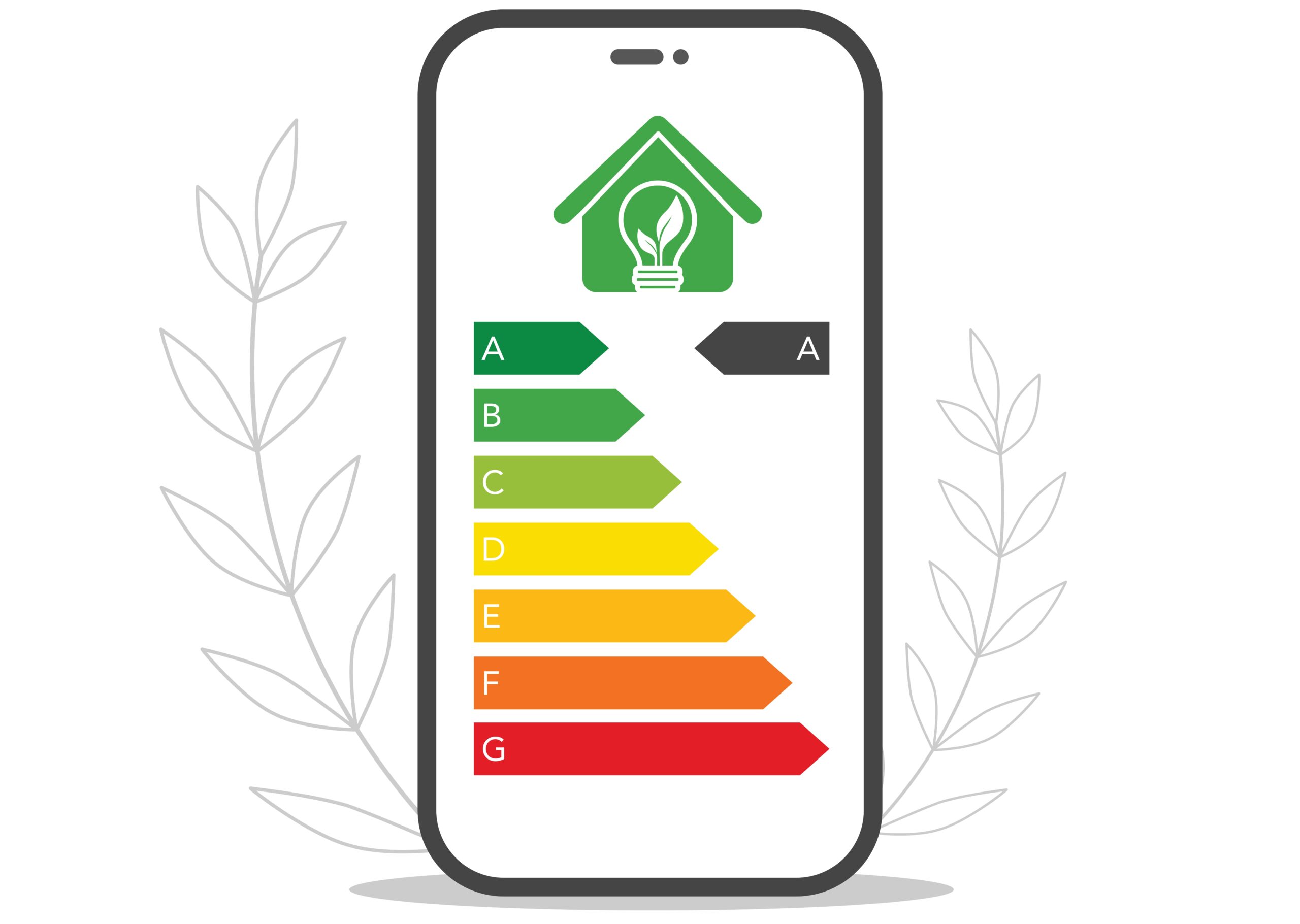
A Display Energy Certificate (DEC) shows how efficiently a public building uses energy and is a legal requirement for eligible buildings. Choosing us means you receive accurate DECs produced by accredited assessors, clear performance ratings based on actual energy use, and practical advice to help improve efficiency and maintain full compliance with UK regulations.
The Energy Savings Opportunity Scheme (ESOS) is a mandatory energy assessment that helps large organisations identify ways to reduce energy use and costs. Choosing us means you benefit from experienced assessors who deliver clear, compliant ESOS reports with practical, cost-effective recommendations to improve efficiency and meet UK regulatory requirements.
Minimum Energy Efficiency Standards (MEES) set the legal requirement for commercial properties to meet minimum energy performance levels before they can be let or sold. Choosing us means you receive expert guidance on MEES compliance, clear assessments of your property’s status, and practical solutions to improve ratings and remain fully compliant with UK regulations.
TM44 inspections are a legal requirement for air conditioning systems over 12kW and assess their efficiency, condition, and operation. Choosing us means you receive compliant TM44 inspections from accredited assessors, clear reports lodged on the government register, and practical recommendations to improve performance and meet UK regulations.
Section 63 of the Energy Act (Scotland) requires certain non-domestic buildings to assess and improve their energy performance through an EPC and action plan. Choosing us means you receive clear, compliant Section 63 assessments from accredited experts, with practical advice to improve efficiency and meet Scottish regulatory requirements.
0+
EPC’s Lodged
Per Year
0+
Improvement Modelling
Reports Per Year
Relied on by


Tailored Energy Plans
Energy Performance Modelling
Looking For A Modelling Report?
Contact us to discuss how we can start supporting you
Or Looking For An EPC Quote?
Click here to get in touch. We’re happy to assist and respond to any enqueries you may have.
Testimonials
Trusted By Our Clients
Accredited By